
An electric vehicle is operating on an electric motor, whereas an internal combustion engine is generating power by burning mix of gases and fuel. The term EV is used to refer an electric car.
Considering the current issues of pollution, depletion of natural resources and global warming points to the replacement of current generation vehicles with Electric vehicles in the coming years. As per automobile experts, EV’s are expected to rise from 2% of global share in 2016 to 22 percentage in 2030.
Even though the concept of electric vehicles existing from 19th century, it’s gaining an interest recently due to the rising carbon footprint and the other environmental issues caused by fuel centric vehicles.
Studebaker Automobile Company started electric vehicles business on early 1900’s in America. Due to the push from fuel-based Ford vehicles caused the electric vehicles fell to the wayside.
EV’s were among the earliest automobiles before the internal combustion engines. In fact, in early 1900’s, 28% of the cars on the America roads were electric. A number of factors contributed the decline of electric vehicles, like discovery of large petroleum reserves in Texas, California and Oklahoma, easy to operate internal combustion engine cars, improved road infrastructure etc.
A documentary film released on this subject in 2006 which is titled “Who Killed the Electric Car”.
How does the EV’s work;
- Electric cars store the electricity in rechargeable batteries that power electric motor, which will control/turn the car wheels.
- EV’s accelerate faster than the combustion engine.
- It’s easy to charge an electric vehicle by plugging it into public charging stations or a home charging unit.
- Each vehicle model has different travel range depend on the battery size, technology and efficiency.
- EV’s have 90% less moving parts than an ICE car.
Refer to the below Anatomy of an Electric Car;

Key Components of an Electric Car
- Battery – In an EV, the auxiliary battery provides electricity to power vehicle.
- Charge port – The charge port allows to connect the vehicle to an external power source.
- DC Converter – This device will convert high voltage DC to low voltage to run the car accessories.
- Electric Traction Motor – This motor drives the vehicles wheels using power from the traction battery pack.
- On Board Charger – Converting the incoming AC electricity into DC power for charging the battery. This will work as a monitor for voltage, current and temperature.
- Power Electronics Controller – This controller manages the flow of electrical energy delivered via traction battery. It also controls speed of the electric traction motor and torque,
- Thermal System Cooling – This will maintain an operating temperature of the engine, power electronics, electric motor and other accessories.
- Traction Battery Pack – Electricity storage pack for electric traction motor
- Transmission – It transfers mechanical power from electric motor to drive the wheels.
Future of Electric Vehicles
Electric vehicle sales are on the rise and automotive experts expecting EV’s are expected to rise from 2% of global share in 2016 to 22 percentage in 2030.

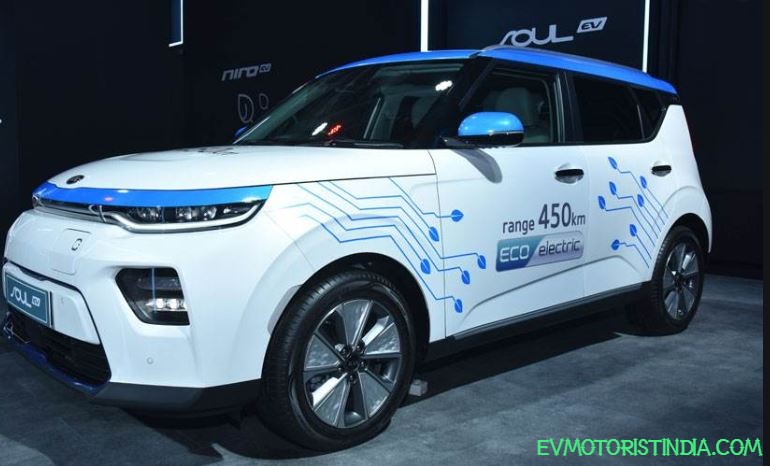
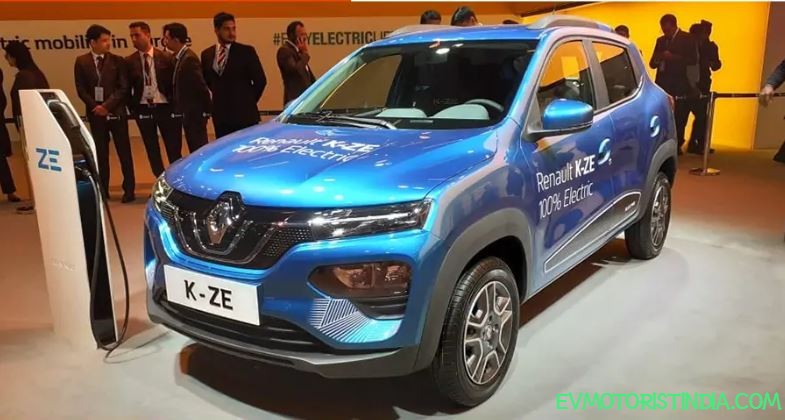
 EV MOTORIST INDIA