TATA NEXON EV V/S HYNDAI KONA ELECTRIC – WHICH EV TO BUY in 2020 ?

The number of electric cars sales in India is comparatively small when compared to Petrol and Diesel model cars. But, things changing and expected to grow the EV sales on the coming years.

Customers already thinking to switch into EV cars from petrol and diesel options

Let’s compare these two best electric cars in India in 2020

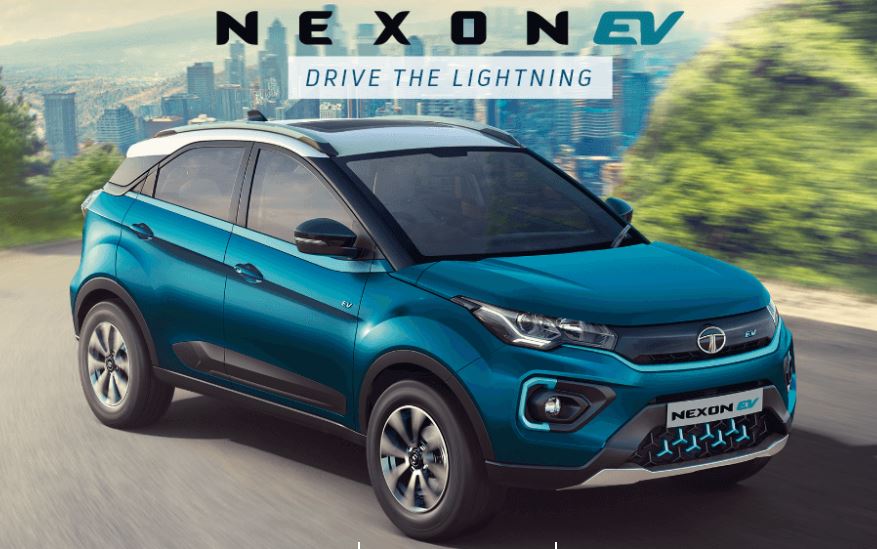
TATA NEXON EV – Drive the Lightning

Tata Nexon EV Mileage: 312.0 km/full charge

Tata Nexon EV Price: Rs 13.99 Lakh Onwards (ex-showroom)
Best Performance:

  • 0-100 kmph in 9.9sec
  • 0-60 kmph in 4.6sec
  • Instant availability of 245 Nm torque
  • 60% increase in peak torque in Sport Mode

Safety Features

  • Built on India’s first 5* rated platform – Nexon
  • AIS 048 (Nail Penetration), Crush Test, Overcharge protection, Shock protection, Short protection
  • IP67 certified battery & motor
  • Dual Airbags, ABS with EBD and corner stability control & Reinforced body structure.

Connectivity

  • Tata Motors ZConnect app offering 35 connected car features
  • Key features include remote commands, vehicle health monitoring, safety & security, driving & trip analytics, and location-based services

Seamless Charging Experience  

  • Free home charging installation
  • Largest public charging network in India
  • 24×7 emergency charging support (in 5 cities)
  • Fast Charging – 0% – 80 % in 60 Minutes (CCS 2 )
  • Regular Charging – 10 %  – 90 % in 8.5 hr.

Electrifying Subscription to experience the Lighting drive.

Tata Nexon EV available now on subscription offer which allows customers can ride the car without ownership hassles.  Rental Starts at just Rs. 34,900/ Month. The tenure of the subscription can be anywhere between 12 to 24 and 36 months and has been initially starting in Delhi/NCR, Mumbai, Pune, Hyderabad and Bengaluru.

Book A Test Drive and experience the power packed Nexon; Click here

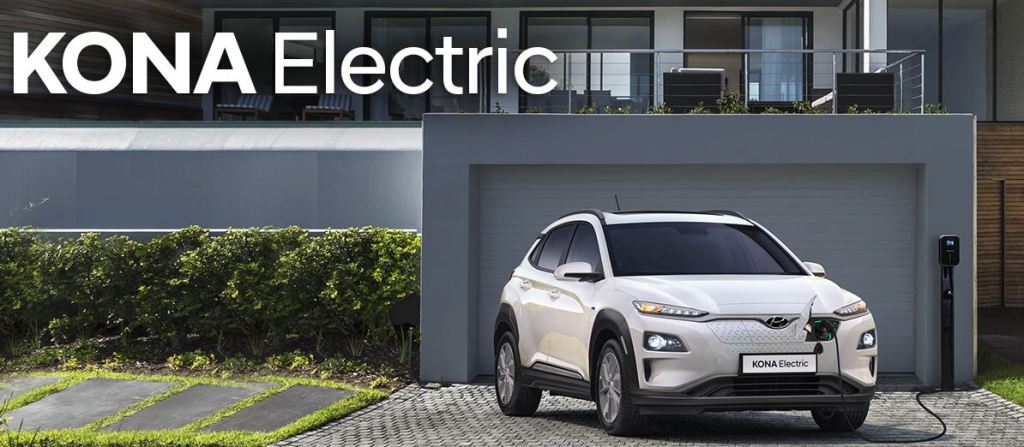
Hyundai Kona Electric – Experience India’s first all-electric SUV

Electric Automatic Premium – 23.78 lks ex-showroom Delhi

Electric Automatic Premium Dual tone – 23.95 lks ex-showroom Delhi

Hyundai Kona Electric Mileage: 452.0 km/full charge
Electrifying Performance:

  • Impressive Acceleration – 0 – 100 km/h in just 9.7s
  • Sport mode for a thrilling drive experience
  • 136 Ps and 40.27 kgm Torque

Safety Features

  • Six Airbags
  • Vehicle stability Management
  • Hill-start assist control
  • Electronic Stability control

Connectivity

  • 17.77cm Touchscreen Display Audio with Radio, USB & AUX
  • Smartphone Connectivity – Apple car play / Android auto / Voice recognition
  • Steering Wheel with Audio & Bluetooth Controls

Peace of Mind

  • 8 years / 160 000 km battery warranty
  • 5 years standard vehicle warranty
  • 24×7 Emergency roadside assistance

Book a Test drive : Here
Global Electric Vehicles sales to drop 43% in 2020

As per the recent analysis report published by the consulting company Wood Mackenzie, the global economic downturn caused by the corona outbreak will hit heavily on the electric vehicles market.
Apart from the corona pandemic, the agency mentions that the lower oil prices will delay the potential purchase decision of the consumers as well. Also, consumers tend to delay the new car purchase for a few months to get the future economic conditions outlook.
As per the Mr. Ram Chandrasekaran, Wood Mackenzie Principal Analyst;

“Most EV buyers will be the first-time owners of the technology and there will be uncertainty to adopt a new technology created by the outbreak. Once the outbreak controlled in China, customers will come back to the car dealers to evaluate their confidence in EV’s”


In China, EV sales were down by 54% in January 2020 and an estimated 90% drop in February which shows the above-said quote is correct on this situation.
Besides, US auto manufacturers have held or postponed the launch of the new EV models and shifted their efforts to manufacture medical equipment to support the current situation.
According to Wood Mackenzie, all these factors affect the EV sales drop and expected to bounce back the demand by 2021 only.

Read the full analysi report by Wood Mackenzie here – https://www.woodmac.com/press-releases/global-electric-vehicle-sales-to-drop-43-in-2020/

WHAT IS ELECTRIC VEHICLE AND HOW DOES THIS WORK

An electric vehicle is operating on an electric motor, whereas an internal combustion engine is generating power by burning mix of gases and fuel. The term EV is used to refer an electric car.

Considering the current issues of pollution, depletion of natural resources and global warming points to the replacement of current generation vehicles with Electric vehicles in the coming years. As per automobile experts, EV’s are expected to rise from 2% of global share in 2016 to 22 percentage in 2030.              

Even though the concept of electric vehicles existing from 19th century, it’s gaining an interest recently due to the rising carbon footprint and the other environmental issues caused by fuel centric vehicles.

Studebaker Automobile Company started electric vehicles business on early 1900’s in America. Due to the push from fuel-based Ford vehicles caused the electric vehicles fell to the wayside.

EV’s were among the earliest automobiles before the internal combustion engines. In fact, in early 1900’s, 28% of the cars on the America roads were electric. A number of factors contributed the decline of electric vehicles, like discovery of large petroleum reserves in Texas, California and Oklahoma, easy to operate internal combustion engine cars, improved road infrastructure etc.

A documentary film released on this subject in 2006 which is titled “Who Killed the Electric Car”.

How does the EV’s work;

  • Electric cars store the electricity in rechargeable batteries that power electric motor, which will control/turn the car wheels.
  • EV’s accelerate faster than the combustion engine.
  • It’s easy to charge an electric vehicle by plugging it into public charging stations or a home charging unit.
  • Each vehicle model has different travel range depend on the battery size, technology and efficiency.
  • EV’s have 90% less moving parts than an ICE car.

Refer to the below Anatomy of an Electric Car;

Key Components of an Electric Car

  • Battery – In an EV, the auxiliary battery provides electricity to power vehicle.
  • Charge port – The charge port allows to connect the vehicle to an external power source.
  • DC Converter – This device will convert high voltage DC to low voltage to run the car accessories.
  • Electric Traction Motor – This motor drives the vehicles wheels using power from the traction battery pack.
  • On Board Charger – Converting the incoming AC electricity into DC power for charging the battery. This will work as a monitor for voltage, current and temperature.
  • Power Electronics Controller – This controller manages the flow of electrical energy delivered via traction battery. It also controls speed of the electric traction motor and torque,
  • Thermal System Cooling – This will maintain an operating temperature of the engine, power electronics, electric motor and other accessories.
  • Traction Battery Pack – Electricity storage pack for electric traction motor
  • Transmission – It transfers mechanical power from electric motor to drive the wheels.

Future of Electric Vehicles

Electric vehicle sales are on the rise and automotive experts expecting EV’s are expected to rise from 2% of global share in 2016 to 22 percentage in 2030.

This is my Intro & Welcome to EVMOTORIST INDIA FAMILY..

Jerry here, I’m an automotive enthusiast and started this blog recently.
Not worried about how my blog looks now., But I will try my best to make this, one of the best blogs in the next 10 years.

Why I’m doing this?

  • Because, I’m started learning more about EV cars and the overall EV industry. I thought it will be useful to keep updated by writing this blogs highlighting the stories and news happening around the world in EV space
  • Because, India will be huge market going ahead for the EV’s. So, this blog can turn out to be a informative space may be after few years.
  • I have decided to blog publicly, rather than keeping a personal journal. Because, I believe I will gain more knowledge when I share it !
  • I will be writing more focused about EV cars, overall industry, EV startups and I will try to include general automotive informative write ups also time to time.
  • I would love to connect with similar minded people and car enthusiasts. But, as a growing and next gen industry, I think anyone can read it through my posts to keep updated about the EV automotive space.
  • I would like to write more, learn more and share more knowledge here.
  • Anyone wants to write guest posts, feel free to shoot a mail to evmotoristindia@gmail.com and I will get back as soon as possible.

I’ m not locked into any of this; one of the wonderful things about blogs is how they constantly evolve as we learn, grow, and interact with one another. Lets’ see how this one is going.

Looking forward to a new world.